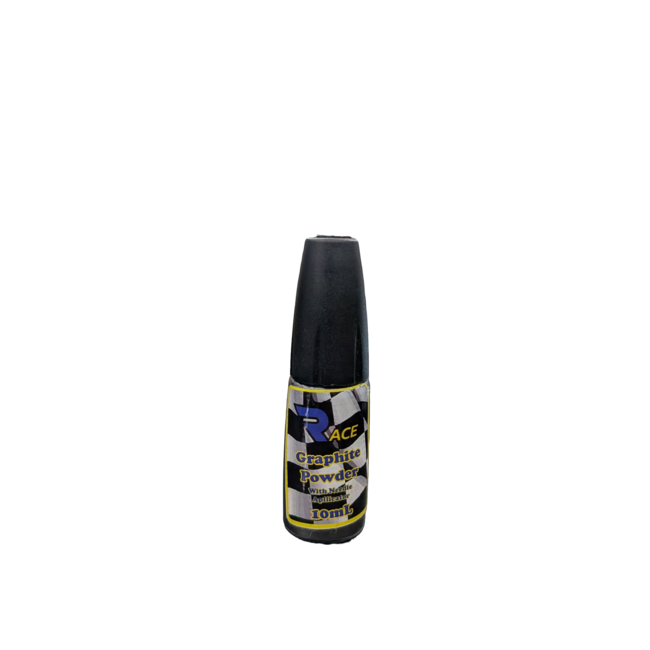
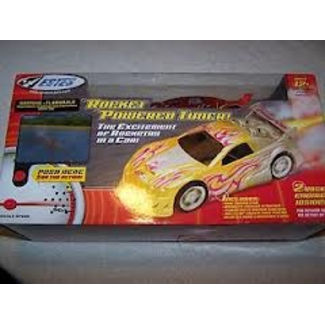
Graphite powder is primarily used in RC (Radio Control) applications as a dry lubricant to reduce friction in moving parts, particularly those where wet lubricants (oils or greases) would attract dirt and grime. Its unique layered structure allows the layers to slide over each other with minimal resistance, creating a slick, protective film.
Key Applications in RC
- Axles and Wheel Hubs: A primary use is lubricating the contact points between spinning axles and the car frame (e.g., in pinewood derby or mousetrap cars), which are high-friction areas. Applying graphite here significantly reduces energy loss and increases speed or coasting distance.
- Gears and Couplers: It is highly effective for use on plastic or metal gears, especially in model rail and certain R/C applications, to ensure smooth action and reduce wear.
- Exposed Mechanical Parts: For parts exposed to the elements, such as drive shaft couplings, pins, blades, UJ's (universal joints), or dogbone ends on 4WD off-road vehicles, graphite is preferred as it does not attract or hold dirt and grit like wet oils would.
- Hinges and Sliding Mechanisms: It can also be used on various other moving parts like hinges, glides, and push rods to eliminate squeaks and ensure smooth operation.
Advantages
- Dry and Clean: Unlike oils and greases, graphite powder is a dry lubricant that does not leave a sticky residue or attract dust and dirt, which is crucial in off-road or dusty environments.
- High Temperature Resistance: Graphite withstands extreme temperatures and pressures, making it suitable for high-load or high-RPM applications where other lubricants might break down.
- Prevents Corrosion: It forms a protective layer that helps prevent rust and corrosion by keeping metal surfaces free of moisture.
- Electrically Conductive: This property can be useful in specific electrical applications where lubrication is needed without creating an insulating layer, like certain points in model rail systems.
Application Tips
- Use Sparingly: A little goes a long way. Use a precision applicator like a long-nose nozzle or a syringe to apply a small amount directly to the contact points.
- Burnish In: After application, move the parts back and forth (e.g., spin the axle) to work the graphite into the surface and create a smooth, burnished film.
- Reapply Frequently: Dry lubricants generally require more frequent reapplication compared to wet lubes for optimal performance, especially after each run in some cases.
- Avoid Contamination: Do not use graphite in areas where it might mix with wet lubricants, such as inside shock absorbers, as it can cause performance issues.